Arctic Biodiversity
Arctic vs Antarctic Ecosystems: How the Two Polar Regions Differ
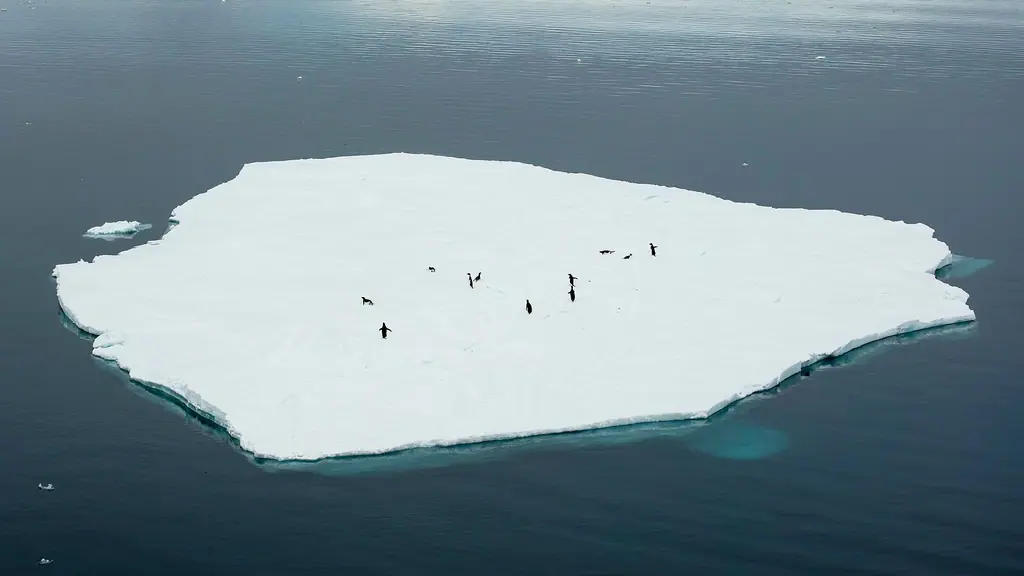
The Arctic is an ocean ringed by land; the Antarctic is land ringed by ocean. How that difference shapes sea ice, food webs, wildlife and governance.
Every article published on Ice Edge, newest first: Arctic Ocean, climate, sea ice, ecosystems, wildlife, monitoring, methods and education.
Arctic Biodiversity
The Arctic is an ocean ringed by land; the Antarctic is land ringed by ocean. How that difference shapes sea ice, food webs, wildlife and governance.
Resources for Teachers and Families
How to teach climate change and biodiversity loss honestly but without doom: start with wonder, match the age, show real science and offer real agency.
Expeditions and Research Methods
How polar scientists turn questions into evidence: long time series, focused process studies, shipboard experiments, a hierarchy of models and well-kept data.
Environmental Monitoring
Passive microwaves map sea-ice extent, radar images reveal its texture and altimeters infer its thickness. How each technique works and where it falls short.
Arctic Biodiversity
Close to 8,000 marine species are known from Arctic seas, from ice algae to whales. Who lives in the ice, the water and on the seabed, and what is changing.
Resources for Teachers and Families
Six low-cost, hands-on climate activities for classrooms: albedo, land vs sea ice, density layers, ocean acidification, a food web and real sea-ice data.
Sea Ice and Glaciers
How glaciers differ from sea ice, how much they add to sea-level rise, why Svalbard's tidewater glaciers feed fjord life, and what ice reveals about the past.
Oceanography
What drives ocean currents: wind, Earth's rotation and density. How Atlantic water reaches the Arctic, and how the Fram's drift revealed the ice's path.
Science Education
A guide for 11–16-year-olds to Arctic ecosystems: sea ice, open ocean, seafloor and tundra coast, who lives where, seasons of light and review questions.
Oceanography
From Nansen bottles to CTDs, XBTs, Argo floats and ice-tethered profilers: how ocean temperature is measured, and why the ice-covered Arctic is hardest.
Expeditions and Research Methods
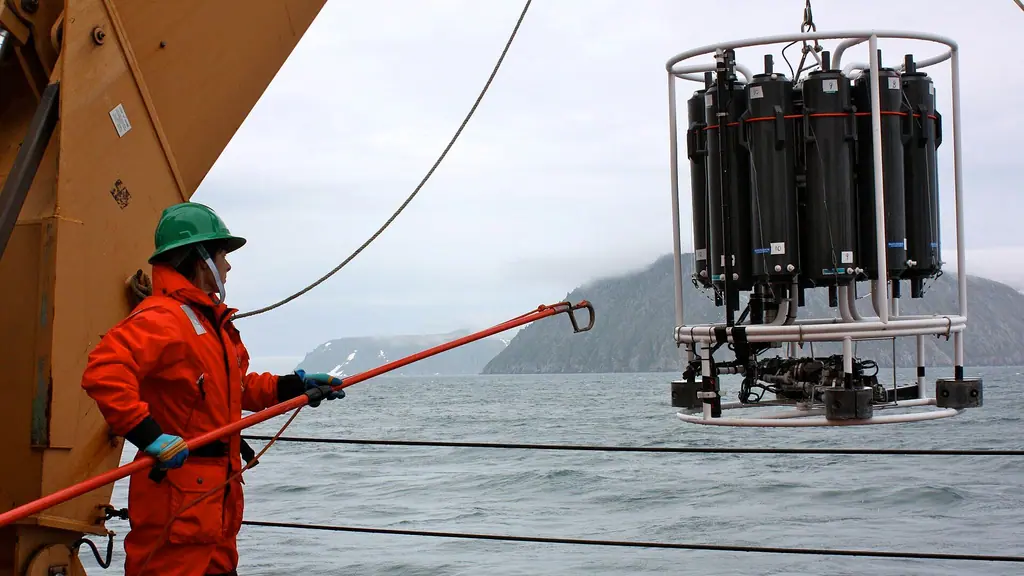
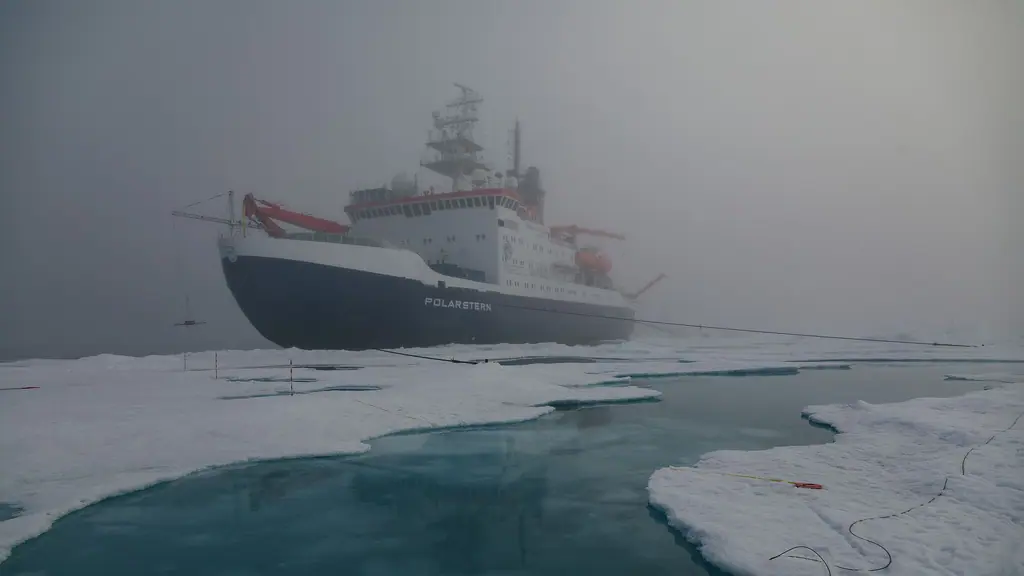
Why researchers still sail into the Arctic: what ice stations, CTD casts, nets, cores and moorings reveal, from Nansen Legacy cruises to the MOSAiC drift.
Polar Wildlife
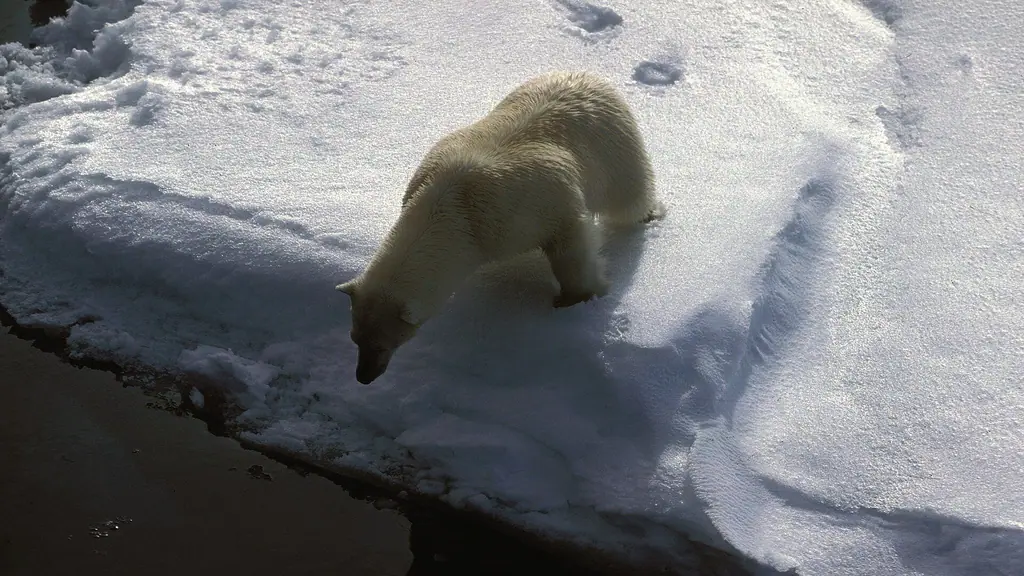
Fur, fat, paws and patience: how polar bears hunt seals from the sea ice, raise cubs in snow dens and survive long fasts, and what shrinking ice means for them.