Arctic Ecosystems: A Guide for Students
A guide for 11–16-year-olds to Arctic ecosystems: sea ice, open ocean, seafloor and tundra coast, who lives where, seasons of light and review questions.
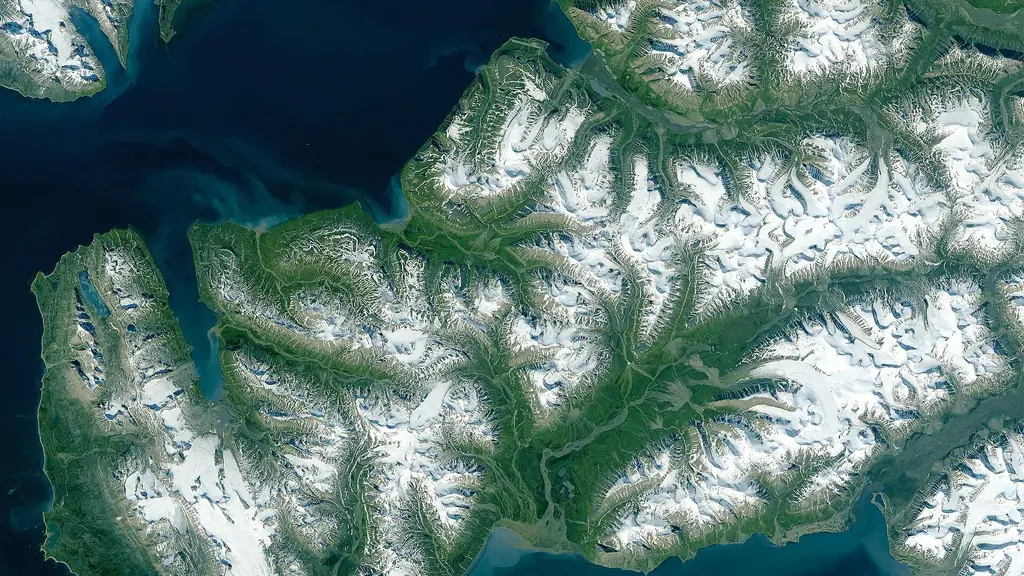
Imagine living on Svalbard, a group of Norwegian islands far north of the Arctic Circle. From about 20 April to 23 August the sun never sets: it circles the sky day and night. In winter it is the opposite. From mid-November to late January the sun stays more than six degrees below the horizon all day, according to Visit Svalbard, so there is not even twilight at midday.
Every living thing in the Arctic has to cope with these extremes of light, as well as with cold and with ice that comes and goes with the seasons. Together, the living things in a place and their physical surroundings form an ecosystem.
This guide explains how Arctic ecosystems work. You will meet the four main habitats, learn who eats whom, see how the seasons control everything, and finish with some questions to check your understanding.
What makes an ecosystem?
An ecosystem has living parts and non-living parts. The non-living parts include light, temperature, water, salt, nutrients and, in the Arctic, ice. The living parts can be sorted into three groups by how they get their energy:
- Producers make their own food by photosynthesis, using sunlight, carbon dioxide and water. In the Arctic Ocean the most important producers are microscopic algae.
- Consumers get energy by eating other living things. Herbivores eat producers; carnivores eat other animals.
- Decomposers, mainly bacteria and fungi, break down dead material and waste, returning nutrients to the water or soil so producers can use them again.
A food chain shows one path of energy, such as algae → copepod → polar cod → seal → polar bear. A food web shows many connected chains, which is closer to reality. Our article on Arctic food chains follows this chain in more detail.
Four Arctic habitats
1. The sea ice
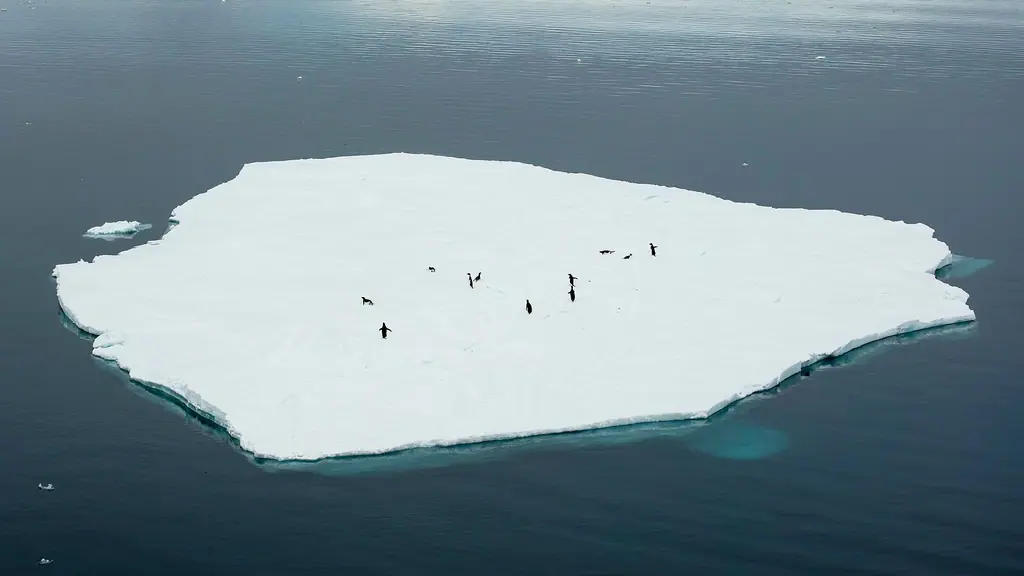
Sea ice is frozen seawater floating on the ocean. It is not solid all the way through: it contains tiny channels of very salty liquid called brine. Algae live in these channels and on the underside of the ice, turning it brown in spring. Small animals graze on the algae, and young polar cod hide in cracks under the ice.
On top of the ice, ringed seals rest and give birth in snow caves, and polar bears hunt them. Sea ice is also bright: NSIDC's sea ice facts say snow-covered ice reflects up to 90% of sunlight, while open ocean reflects only about 6%. To find out how ice forms and melts, read understanding Arctic sea ice.
2. The open ocean
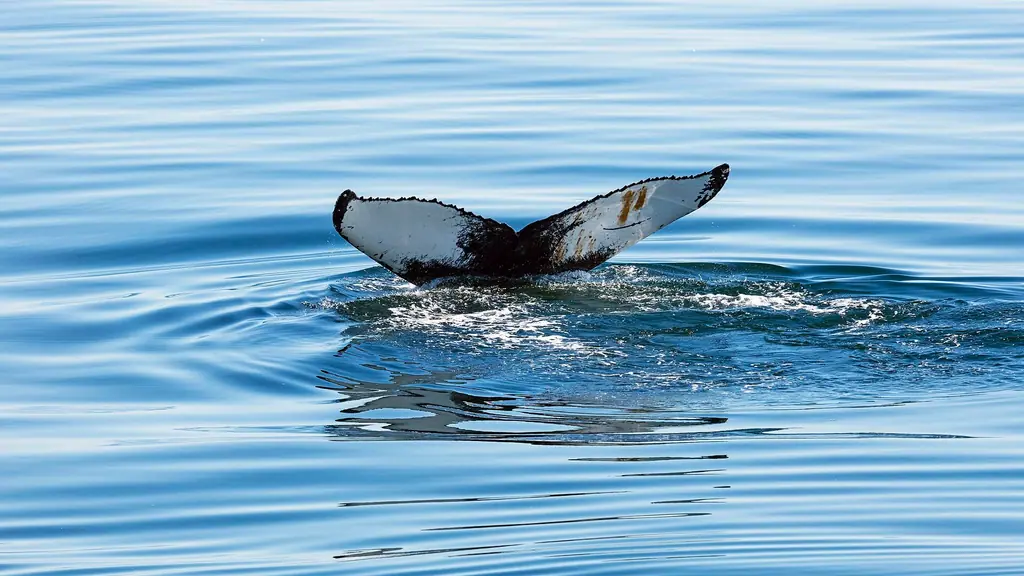
When the ice melts in spring and summer, sunlight reaches the water and phytoplankton (floating algae) multiply quickly in a bloom. Copepods, tiny crustaceans only a few millimetres long, feed on them and store energy as fat. Fish such as polar cod and capelin eat copepods, and seabirds, seals and whales eat the fish. Some predators skip steps: little auks, small seabirds, catch copepods directly, and bowhead whales filter them from the water.
3. The seafloor
Not all algae are eaten near the surface. Many sink to the seafloor, where clams, worms, starfish and brittle stars feed on them. Decomposers in the mud break down what is left. Walruses and bearded seals dive to feed on these bottom-living animals. This link between the surface and the seafloor is called benthic–pelagic coupling.
4. The tundra coast
On land, the ground is frozen for most of the year and the growing season is short, so plants stay small: mosses, lichens, grasses and dwarf shrubs that hug the ground. Seabirds that feed at sea nest on cliffs, and their droppings fertilise the slopes below, making them unusually green. Arctic foxes scavenge and hunt along the shore, and on Svalbard, reindeer graze the tundra. The coast is where land and sea ecosystems meet.
The seasons of light
In the Arctic, light controls the timing of almost everything.
| Season | Light on Svalbard | What happens in the ecosystem |
|---|---|---|
| Winter (Nov–Jan) | Polar night: sun well below the horizon | Very little photosynthesis; many copepods rest in deep water; sea ice grows |
| Spring (Feb–May) | Light returns quickly | Ice algae bloom under the ice; seal pups born on the ice |
| Summer (May–Aug) | Midnight sun | Ice melts; phytoplankton bloom; seabirds raise chicks |
| Autumn (Sep–Oct) | Days shorten fast | Animals store fat; sea ice starts to form again |
Scientists once thought the Arctic ecosystem more or less switched off in the polar night. Research cruises in winter have shown that many animals stay active in the dark. You can read about this in life in the polar night.
Arctic animals depend on fat. Because food is plentiful for only a few months, copepods, fish, seals and polar bears all store energy as fat when they can and use it to survive the lean months.
Key words
| Word | Meaning |
|---|---|
| Ecosystem | Living things and their non-living surroundings, interacting together |
| Producer | An organism that makes its own food by photosynthesis |
| Consumer | An organism that gets energy by eating other organisms |
| Decomposer | An organism that breaks down dead material and recycles nutrients |
| Phytoplankton | Microscopic algae floating in the water |
| Zooplankton | Small animals drifting in the water, such as copepods |
| Sea ice | Frozen seawater floating on the ocean |
| Brine | Very salty water squeezed out when seawater freezes |
| Bloom | A rapid increase in algae when light and nutrients are available |
| Polar night | The period when the sun stays below the horizon all day |
A changing Arctic
The Arctic is warming faster than most of the planet, and its ecosystems are changing. Here are three changes scientists have measured:
- More open water and more algae growth. NOAA's Arctic Report Card 2025 reports that satellite estimates of phytoplankton productivity in the Barents Sea rose about 34% between 2003 and 2025, a period in which sea ice declined.
- Atlantic species moving north. In Kongsfjorden on Svalbard, a smaller Atlantic copepod has become the most common species in most years since 2007, replacing larger Arctic copepods that little auks prefer.
- Fewer polar cod. In the Barents Sea, surveys found the amount of polar cod in 2024 and 2025 was only about 10% of the long-term average.
These changes affect the whole web. If polar cod become scarce, the seals and seabirds that eat them must find other food. Scientists keep measuring year after year so they can tell short-term ups and downs from long-term trends.
Check your understanding
- Name one producer, one consumer and one decomposer in an Arctic ecosystem.
- Why do the biggest algae blooms in the Arctic Ocean happen in spring and summer, not winter?
- Ringed seals give birth on sea ice, and polar bears hunt ringed seals. Predict what could happen to polar bears if sea ice forms later and melts earlier each year.
Suggested answers. (1) Producer: ice algae or phytoplankton; consumer: copepod, polar cod, seal or polar bear; decomposer: bacteria. (2) Algae need sunlight for photosynthesis, and in winter there is little or none; in spring and summer light returns, and melting ice lets it reach the water. (3) Bears would have less time on the ice to hunt seals, so they would have to survive longer on their fat reserves, which could make it harder for them to stay healthy and raise cubs. See how polar bears are adapted to life on the sea ice.
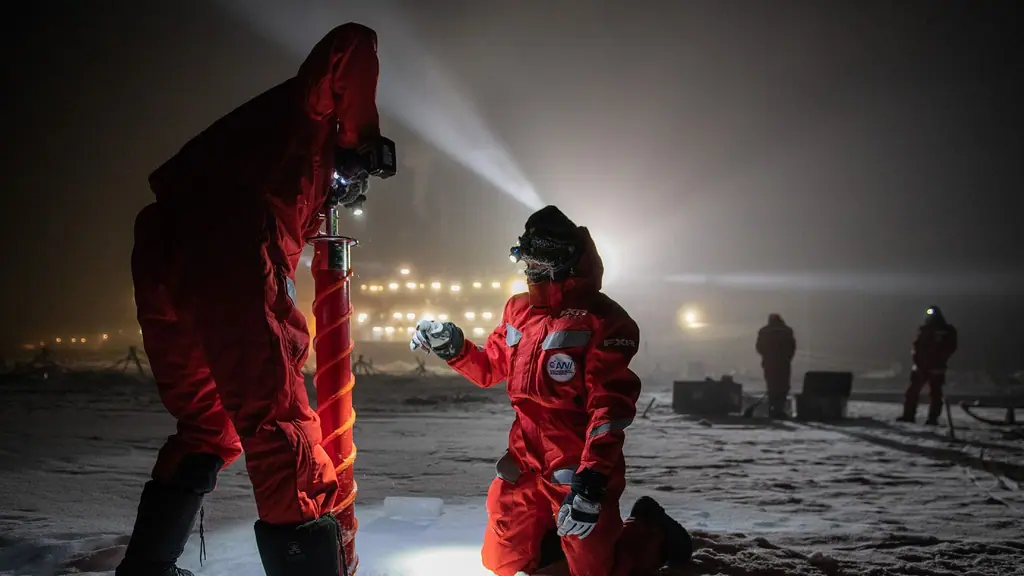
Draw the four habitats as a cross-section from tundra cliff to seafloor on a large sheet. Students add labelled sticky notes for each organism in this guide and draw arrows to show who eats whom. Then shade the sea ice and discuss which organisms would be affected if it disappeared for longer each summer.
More resources for learners and teachers are collected under Science Education.
Sources
- From polar night to midnight sun: a journey of light on SvalbardVisit Svalbard
- Quick facts about sea iceNational Snow and Ice Data Center
- Arctic Report Card 2025: Arctic Ocean primary productivityNOAA
- Biomass of polar cod in the Barents SeaMOSJ – Environmental Monitoring of Svalbard and Jan Mayen (Norwegian Polar Institute)
- Zooplankton species composition in KongsfjordenMOSJ – Environmental Monitoring of Svalbard and Jan Mayen (Norwegian Polar Institute)
Spotted an error? Email contact@nansenlegacy-symposium.com with the page address. See our editorial policy.