Resources for Teachers and Families
Arctic science, explained
An independent publication on the Arctic Ocean, sea ice, climate and polar life: careful science writing for students, teachers and curious readers, with an archive of the 2023 Nansen Legacy Symposium.
Resources for Teachers and Families
Lesson Plan: Reading Real Arctic Climate Data with Students
A step-by-step lesson for ages 14 to 18 using NSIDC September sea-ice data and NASA Arctic temperatures to teach trend lines, variability and careful claims.
Research
- Arctic Ocean
The Arctic Ocean and the Barents Sea: water masses, currents, seasons and seafloor, and how a shrinking ice cover is changing the far north's ocean.
3 articles
- Climate Science
How and why the Arctic is warming faster than the global average, the feedbacks behind it, and what climate records and models tell us.
4 articles
- Sea Ice and Glaciers
Sea ice, icebergs, glaciers and ice sheets: how polar ice forms, moves and melts, and how satellites and field teams measure it.
4 articles
- Oceanography
Physical and chemical oceanography explained: temperature, salinity, mixing, ocean acidification and the instruments that record them.
2 articles
- Marine Ecosystems
Life in Arctic seas, from ice algae and plankton blooms to fish and seafloor communities, and how the food web responds to change.
4 articles
- Polar Wildlife
Polar bears, seals, whales, seabirds and Arctic fish: how they live in the cold, and what research reveals about their future.
4 articles
- Arctic Biodiversity
The variety of Arctic life on land and at sea, the species moving north as waters warm, and how scientists track biodiversity.
3 articles
- Environmental Monitoring
Long-term observations of the Arctic: moorings, satellites, pollutants and the monitoring programmes that turn measurements into evidence.
3 articles
- Expeditions and Research Methods
How Arctic science is done: research vessels, ice stations, sampling methods, instruments, data and the history of polar expeditions.
5 articles
Education
- Science Education
Teaching and learning polar and ocean science: key concepts, misconceptions, careers and ways to bring real Arctic data into lessons.
3 articles
- Resources for Teachers and Families
Practical Arctic science activities, experiments and discussion guides for classrooms and homes, with clear safety notes and sources.
4 articles
- Further reading
Authoritative sources on Arctic science: research institutes, data centres, assessments and reports, chosen for students, teachers and curious readers.
- Symposium archive
An independent historical record of the Nansen Legacy Symposium, ‘Towards a new Arctic Ocean: past, present, future’, held in Tromsø in November 2023.
For teachers and families
Classroom activities, experiments you can run at home and clear explanations of the ideas that come up most in polar science lessons, each with safety notes and sources.
Science Education
Careers in Polar Science: Paths into Arctic Research
Science Education
Citizen Science in the Polar Regions: How Anyone Can Contribute
Historical archive
The Nansen Legacy Symposium, Tromsø 2023
In November 2023 the Nansen Legacy, a Norwegian national research project on the changing northern Barents Sea and Arctic Ocean, closed with an international symposium: ‘Towards a new Arctic Ocean: past, present, future’. This archive records what the symposium covered, in our own words, and points to the project's own publications.
This archive is maintained independently and is not operated by the Nansen Legacy project, the symposium organisers or their partner institutions.
- About the symposiumAbout the 2023 Nansen Legacy Symposium: Towards a New Arctic Ocean
- ProgrammeSymposium Programme 2023: Sessions, Speakers and Documents
- ProgrammeProgramme Overview: Three Days in Tromsø, 7–9 November 2023
- ProgrammeKeynote and Plenary Speakers at the 2023 Symposium
- ProgrammeSessions A–C: Physical Drivers, the Living Ocean and Lessons from the Past
- ProgrammeSessions D–F: Inflow Shelves, Outflow Shelves and the Central Arctic Ocean
More from Ice Edge
All articles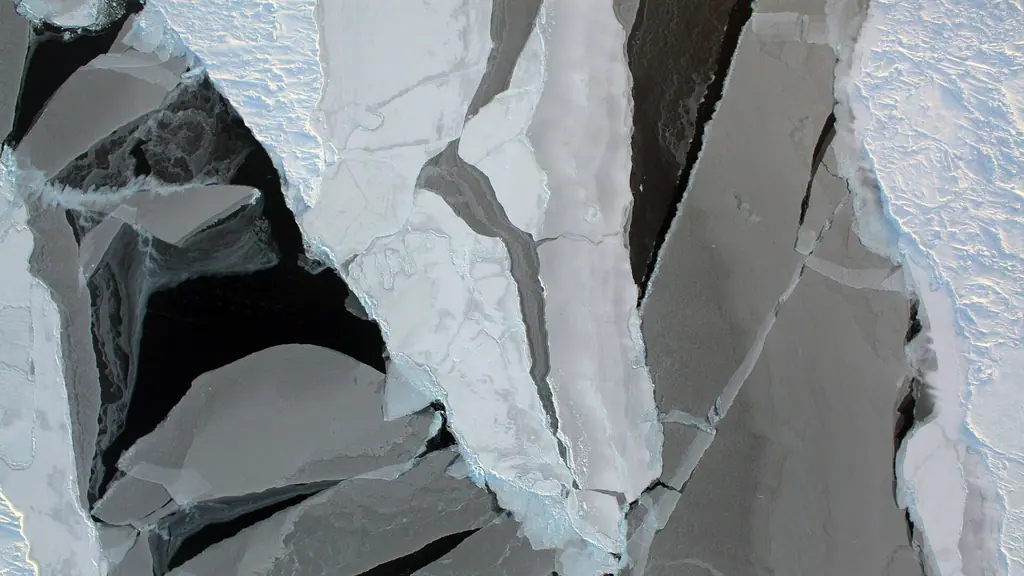
Sea Ice and Glaciers
Sea Ice Extent vs Thickness vs Volume: Reading the Numbers Correctly
What sea-ice extent, area, thickness and volume each measure, which datasets report them, and how to read anomaly charts without being misled by baselines.
Expeditions and Research Methods
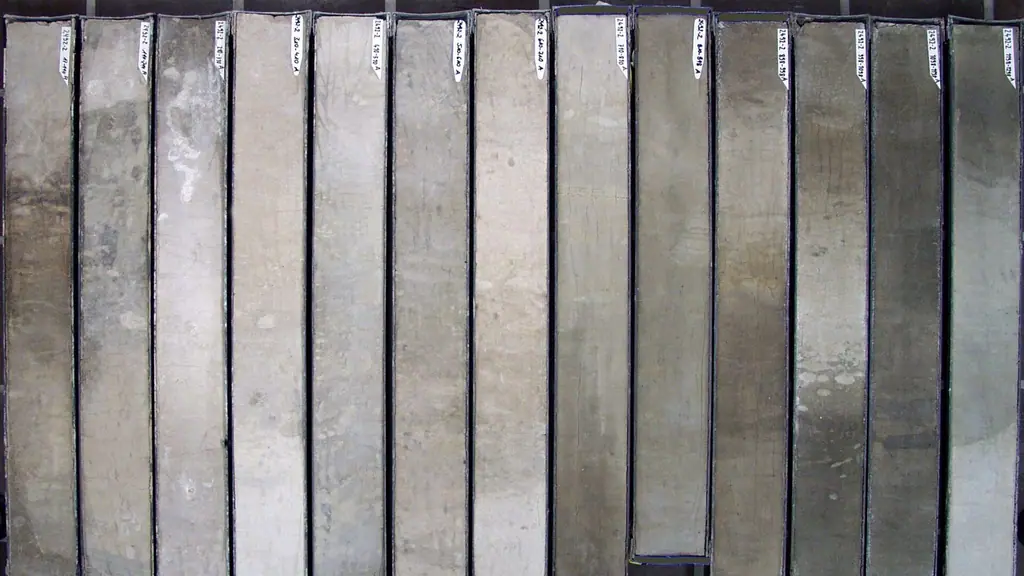
How Sediment Cores Reveal the Arctic's Past Climate
How scientists drill Arctic seabed mud and read shells, isotopes, dropped stones and the sea-ice biomarker IP25 to reconstruct past ice and ocean conditions.
Environmental Monitoring
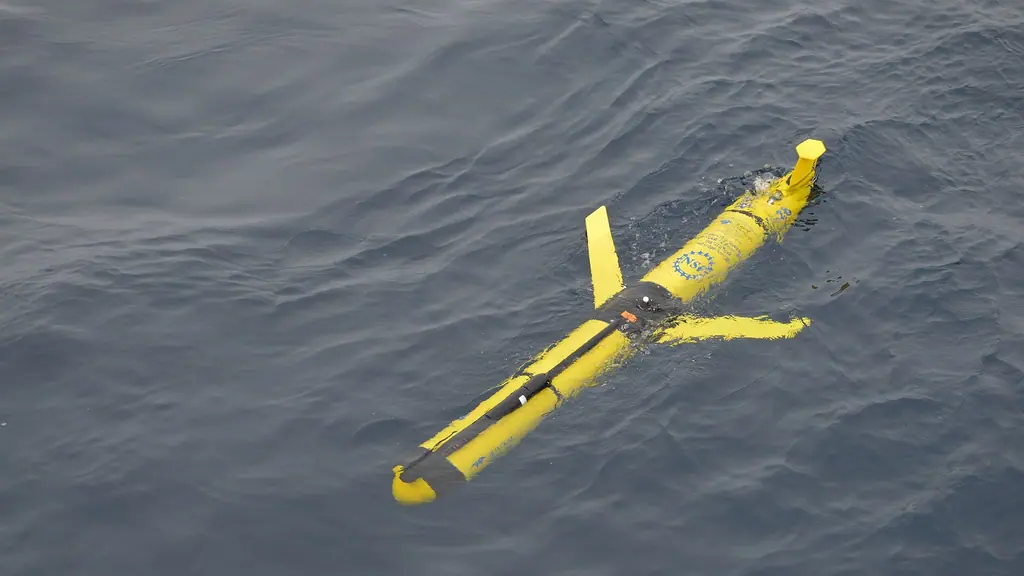
Moorings, Gliders and Robots: Watching the Ocean Under the Ice
How moorings, ice-tethered profilers, Argo floats, gliders and underwater robots measure the Arctic Ocean beneath sea ice all year, and the limits of each.
Climate Science
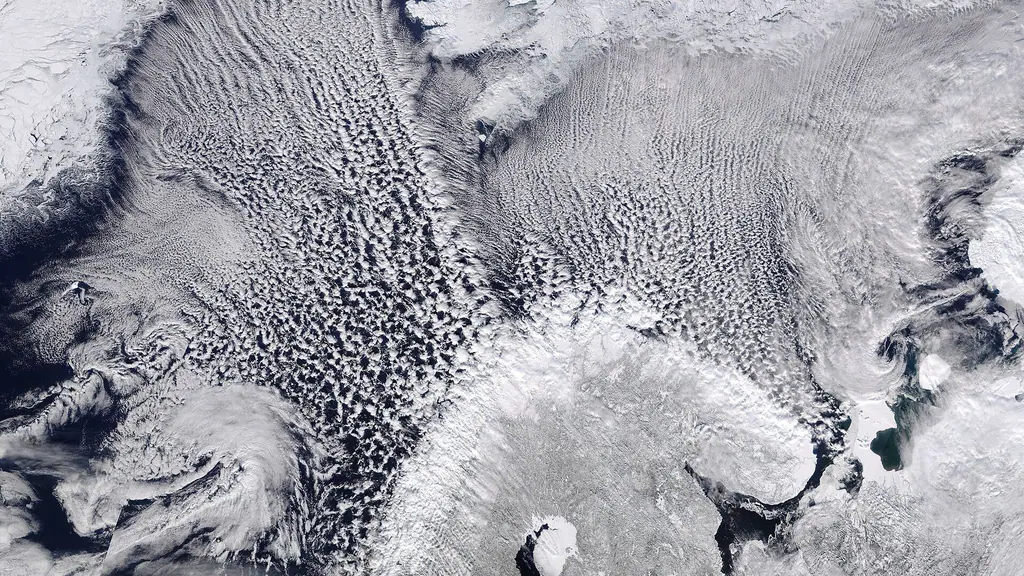
Why Forecasting Arctic Weather Is So Hard
Why Arctic forecasts are harder than elsewhere: sparse observations, polar lows, sea ice and snow, and how AROME-Arctic and the Year of Polar Prediction helped.
Arctic Ocean
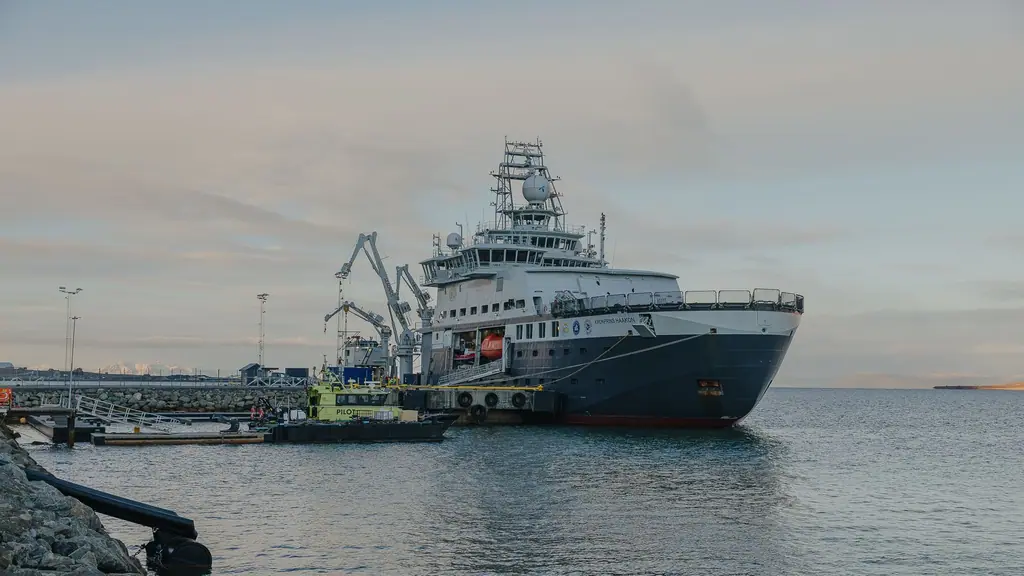
The Nansen Legacy Project Explained: Studying the Northern Barents Sea
An independent explainer of the Nansen Legacy (Arven etter Nansen), Norway's 2018–2024 Barents Sea research project: who ran it, how it worked, what it found.
Expeditions and Research Methods
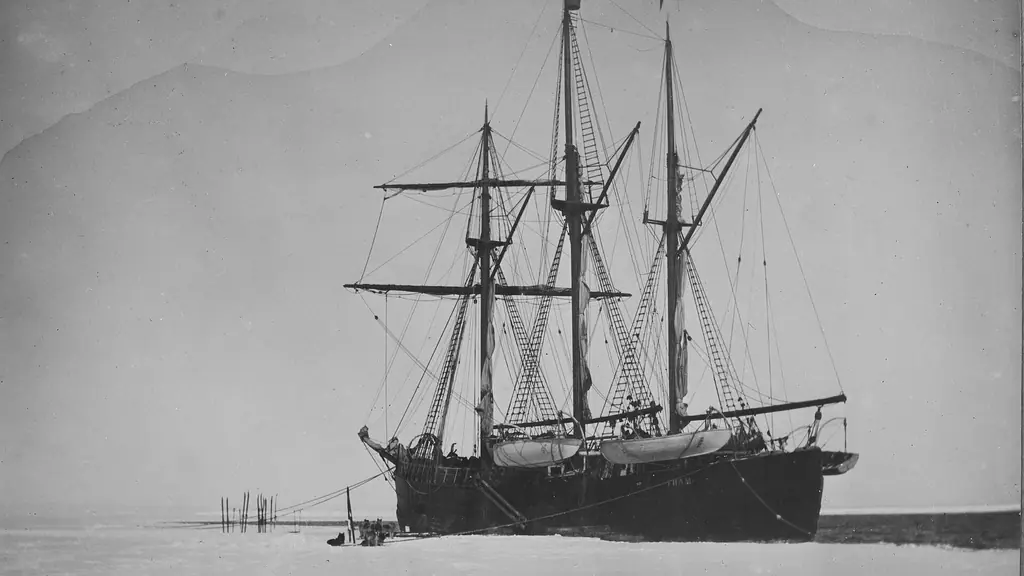
Fridtjof Nansen and the Fram: The Drift That Mapped the Arctic Ocean
How Fridtjof Nansen let the Fram freeze into the pack ice in 1893, what the three-year drift revealed about the Arctic Ocean, and why his science still matters.