Teaching Children About Climate and Biodiversity Without Fear
How to teach climate change and biodiversity loss honestly but without doom: start with wonder, match the age, show real science and offer real agency.
A class of eight-year-olds watches a short film about the Arctic. Afterwards, one child asks whether the polar bears are all going to die, and another wants to know if it is their fault. Questions like these come up in classrooms and kitchens everywhere, and they deserve answers that are honest, calm and useful.
Climate change and biodiversity loss are real, well-documented and serious. Children also need to feel safe enough to keep learning about them. These two goals are compatible. This article sets out an evidence-informed approach for teachers and parents: what research on young people's worries and hopes suggests, how to adjust the message by age, which activities work with everyday materials, and where to find reliable resources.
Why fear is a poor teacher
Many young people already carry strong feelings about the climate. In 2021, Caroline Hickman and colleagues surveyed 10,000 people aged 16–25 in ten countries, from Brazil to Finland and the Philippines, for The Lancet Planetary Health. Fifty-nine per cent said they were very or extremely worried about climate change, and more than 45% said their feelings about it affected their daily life and functioning. Those are older teenagers and young adults, not primary pupils, but they show that worry is widespread by the end of school.
Worry is not the problem in itself. It is a reasonable response to a real risk. The difficulty comes when information arrives without any sense of what can be done. Research by the Swedish psychologist Maria Ojala, published in Environmental Education Research in 2012, distinguished two kinds of hope among young people. "Constructive hope", based on trust in one's own ability and in others' efforts, went with more environmental engagement. Hope that rested on denying the seriousness of climate change went with less. The lesson for teaching is to build hope on facts and action, not on reassurance that nothing is wrong.
Teachers often feel underprepared for this. UNESCO reports that 47% of national curriculum frameworks across 100 countries made no reference to climate change, and that while 40% of teachers are confident teaching the cognitive side of climate change, the science itself, only 20% can explain well how to take action.
Aim for informed hope: accurate information about the problem, paired with real examples of people understanding it, adapting to it and reducing it.
Five principles that work at any age
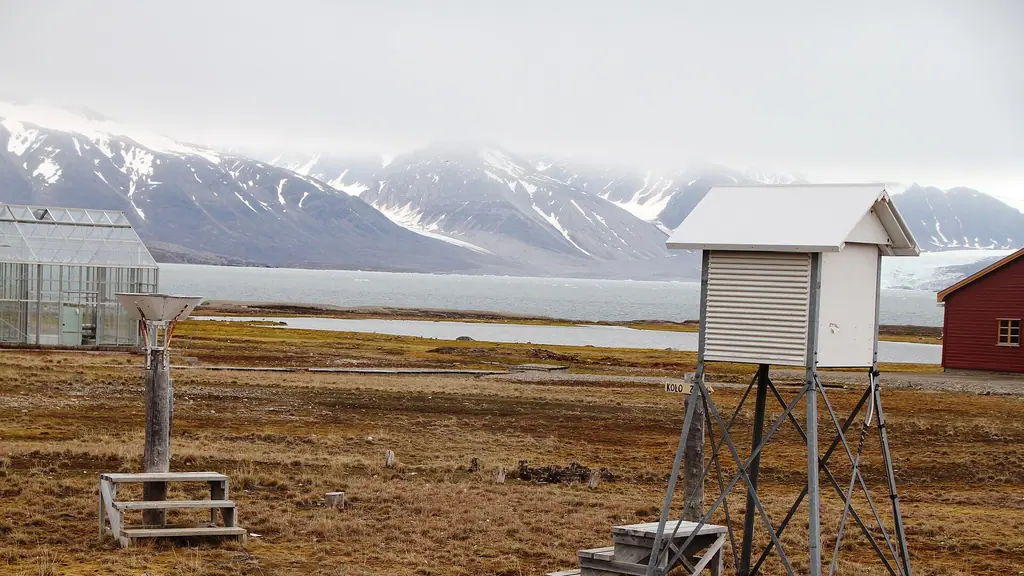
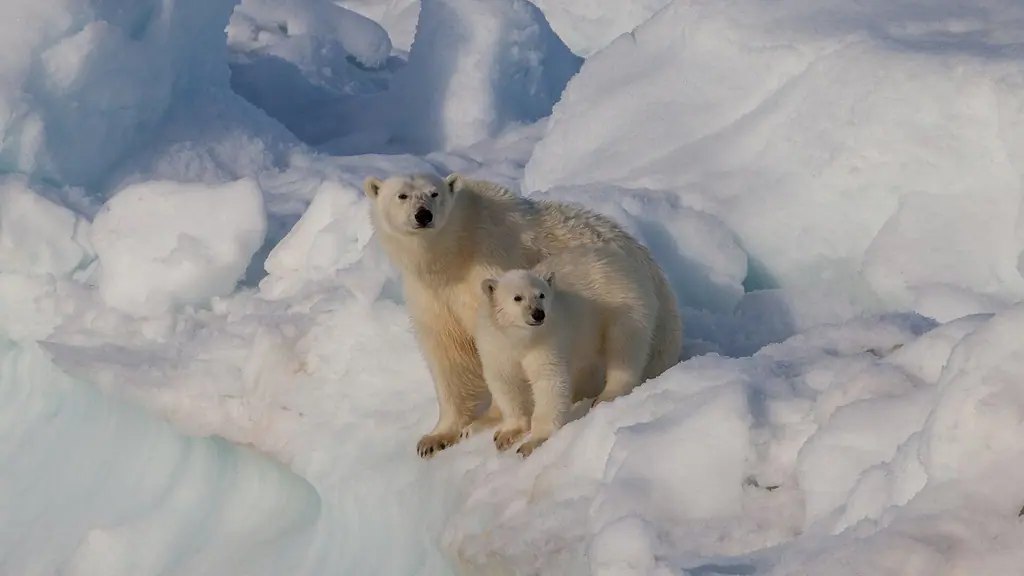
1. Start with wonder, not loss. Children care about what they know. Before talking about melting ice, spend time on what lives there: ice algae, copepods, polar cod, seals and bears. Our guide to Arctic ecosystems for students, alongside a few good wildlife photographs, is a useful starting point.
2. Go local. A school field, a park pond or a street tree is a biodiversity lesson that children can see change through the year. Linking local observations to distant places like the Arctic makes the global story concrete.
3. Tell stories of real science. Children respond to discovery. Researchers once assumed the Arctic winter ocean was nearly lifeless; moored instruments then showed zooplankton migrating in the dark, as told in Life in the polar night. Stories like this show science as an active, human process rather than a list of bad news.
4. Be honest and proportionate. Answer the question asked, at the level it was asked. Avoid exaggerations ("the Arctic will be gone next year") and avoid false comfort ("it will all be fine"). "Scientists are measuring it carefully, and many people are working to slow it down" is both true and steadying.
5. Offer real agency. Agency means children see that actions, including collective ones, make a difference. Keep the burden proportionate: children should not feel responsible for solving a global problem through personal sacrifice.
Matching the message to the age
The table below is a practical guide, not a developmental standard; adjust it to your group.
| Age | Focus | Arctic example | Suitable activity |
|---|---|---|---|
| 4–7 | Noticing nature, seasons, weather | Animals that live on and under the ice | Freezing and melting ice in trays; sorting pictures of Arctic animals |
| 8–11 | Habitats, food chains, simple cause and effect | Who eats whom from ice algae to polar bears | Build a food chain; floating vs land ice experiment (below) |
| 12–14 | Energy balance, evidence, data | Why the Arctic warms faster than the rest of the planet | Plot real sea-ice or temperature data |
| 15–18 | Uncertainty, models, policy and ethics | How projections depend on emissions scenarios | Compare sources; debate adaptation and reduction choices |
For the youngest children, our article on explaining sea ice to young children has simple language and home experiments. For older students, the lesson plan Reading real Arctic climate data turns published records into a classroom investigation.
Two activities with everyday materials
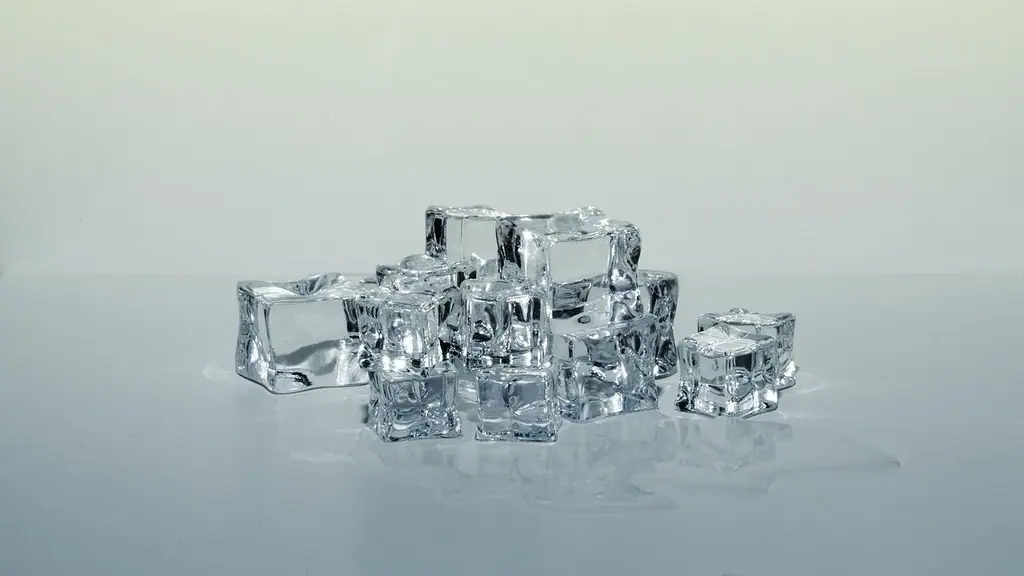
Floating ice vs land ice (ages 8–14). Take two identical clear plastic containers. In one, place a stone or upturned plastic tub to act as "land" and put four ice cubes on top of it, then add water around it to a marked level. In the other, add water to the same mark and float four ice cubes in it. Predict, then wait until the ice has melted and compare the water levels. The container with ice on "land" rises; the one with floating ice barely changes. Discuss: melting sea ice does not raise sea level much, but melting glaciers and ice sheets on land do. Sea-ice loss still matters, because it changes how much sunlight the Arctic absorbs and removes habitat.
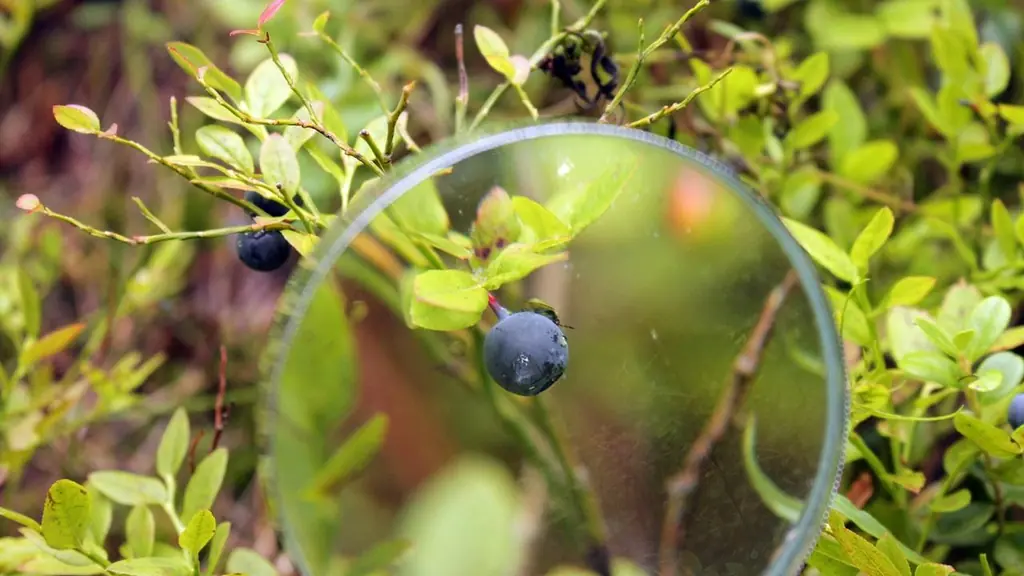
Biodiversity square (ages 5–11). Mark out a one-metre square on grass or a flower bed with string and four sticks. In ten minutes, count the different kinds of plants and small animals you can see without disturbing them, drawing or photographing each one. Repeat in a different place or season and compare. Older pupils can calculate how many kinds were found in both squares and how many in only one.
Use plastic rather than glass containers and wipe up spilled water straight away. Outdoors, an adult should supervise, especially near ponds or roads; children should wear gloves if handling soil, avoid touching fungi, unknown plants or animals, and wash their hands afterwards. Check for allergies (for example to plants or insect stings) before going out. Leave living things where they were found.
More hands-on ideas, each with its own safety notes, are collected in Six climate science activities for the classroom.
Agency that is real, not symbolic
Effective action projects tend to be collective, visible and connected to what pupils have learned. Examples include a school energy audit led by pupils, a long-term biodiversity record of the school grounds shared with a local naturalists' group, or a class letter to a local council about green space.
Learning also travels home. In a study in North Carolina, published in Nature Climate Change in 2019, Danielle Lawson and colleagues tested a climate change education programme for middle-school pupils that was designed to reach their parents indirectly, through the children. Parents of pupils in the lessons expressed more concern about climate change than parents in a comparison group. The effect was strongest among fathers and conservative parents, who began with the lowest concern, and daughters appeared especially effective in influencing their parents. It is one study in one region, but it suggests that conversations started at school matter beyond the classroom.
Handling the hard questions
- "Is it my fault?" No. Climate change has built up over more than a century, mostly through energy systems that adults and governments run. Children can help, but they did not cause it.
- "Will the animals die out?" Some animals will find life harder, and scientists are watching closely. How much the Arctic changes depends on choices people make now, which is a reason to keep learning and acting.
- "Is it too late?" Every fraction of a degree of warming that is avoided reduces the risks. There is no single point after which effort stops mattering.
- When a child is distressed, acknowledge the feeling first ("It makes sense to feel worried"), then return to what is known and what is being done. If worry seems persistent or overwhelming, involve parents and the school's pastoral staff.
Trusted resources
- NASA Science's Earth pages for kids have short explanations, games, videos and activities about Earth, weather, climate, ice and oceans for primary-age children.
- CLEAN (the Climate Literacy and Energy Awareness Network) is a free collection of climate and energy teaching materials for school through university; each resource goes through a review process involving educators and scientists.
- UNESCO's Education for Sustainable Development pages describe international frameworks and guidance for schools.
More teaching material is gathered under Resources for Teachers and Families.
Sources
- Education for sustainable developmentUNESCO
- Hope and climate change: the importance of hope for environmental engagement among young people (summary)North American Association for Environmental Education
- Children can foster climate change concern among their parentsNature Climate Change (Lawson et al. 2019)
- CLEAN: a collection of climate and energy education resourcesClimate Literacy and Energy Awareness Network
- NASA Science for kids: EarthNASA
- Climate anxiety in children and young people and their beliefs about government responses to climate change: a global survey (Hickman et al. 2021)The Lancet Planetary Health
Spotted an error? Email contact@nansenlegacy-symposium.com with the page address. See our editorial policy.